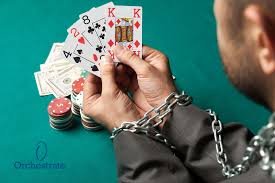
Gambling.
Gambling addiction (also called gambling disorder) is a condition where a person has difficulty controlling gambling behavior, even when it causes harm to their life, relationships, or wellbeing. It involves a persistent urge to gamble despite negative consequences. It is considered a mental health condition, not a lack of willpower, and it can affect people of all ages.
Common signs and symptoms
Constantly thinking about gambling
Needing to gamble with more money to feel the same excitement
Difficulty stopping or cutting back
Gambling to escape stress, sadness, or anxiety
Chasing losses (trying to win back money lost)
Lying to others about gambling
Neglecting school, work, or relationships
Guilt, shame, or regret after gambling
Irritability or restlessness when unable to gamble
Anxiety or low mood
Feeling out of control
Cognitive Distortions in Problem Gambling
Cognitive distortions in problem gambling are inaccurate or unhelpful thinking patterns that cause a person to misunderstand how gambling works and to keep gambling despite negative consequences.
In simple terms, they are false beliefs about luck, control, or probability that make gambling seem predictable or winnable when it is actually based largely on chance.
Examples include:
Believing you can control or influence random outcomes
Thinking a win is “due” after losing several times
Focusing on past wins while ignoring losses
Believing “near wins” mean success is close
Using superstitions or rituals to feel in control
These distorted thoughts maintain gambling behavior and make it harder to stop. Identifying and challenging them is a key part of treatment, especially in cognitive behavioral therapy (CBT).
Support for Gambling Addiction
The Gambling Addiction Counselling Service is offered both online and in person. Both options provide private, confidential one-to-one support. Online video sessions closely mirror the in-person experience, creating a personal and engaging therapeutic setting. This online service offers a convenient, accessible, and confidential option for clients anywhere in Ireland.
The main aim of the counselling service is to support clients in overcoming gambling addiction, restoring a sense of control in their lives, and developing healthier habits and coping strategies. The process begins with a comprehensive assessment of the client’s gambling history, behaviours, and the impact gambling has had on their life. We then work collaboratively to identify the underlying factors contributing to the addiction, including any co-existing mental health concerns.
Following the assessment, I work collaboratively with the client to develop a personalised treatment plan aligned with their individual needs and goals. This plan may incorporate a range of therapeutic approaches, support groups, and educational resources. Individual counselling sessions focus on the emotional, psychological, and behavioural components of the addiction. Cognitive Behavioural Therapy (CBT), Motivational Interviewing (MI) along with other evidence-based interventions, is used to help clients challenge and change harmful gambling behaviours and unhelpful thought patterns.